Vocational Training Programme
SKILLS &DRESSMAKING
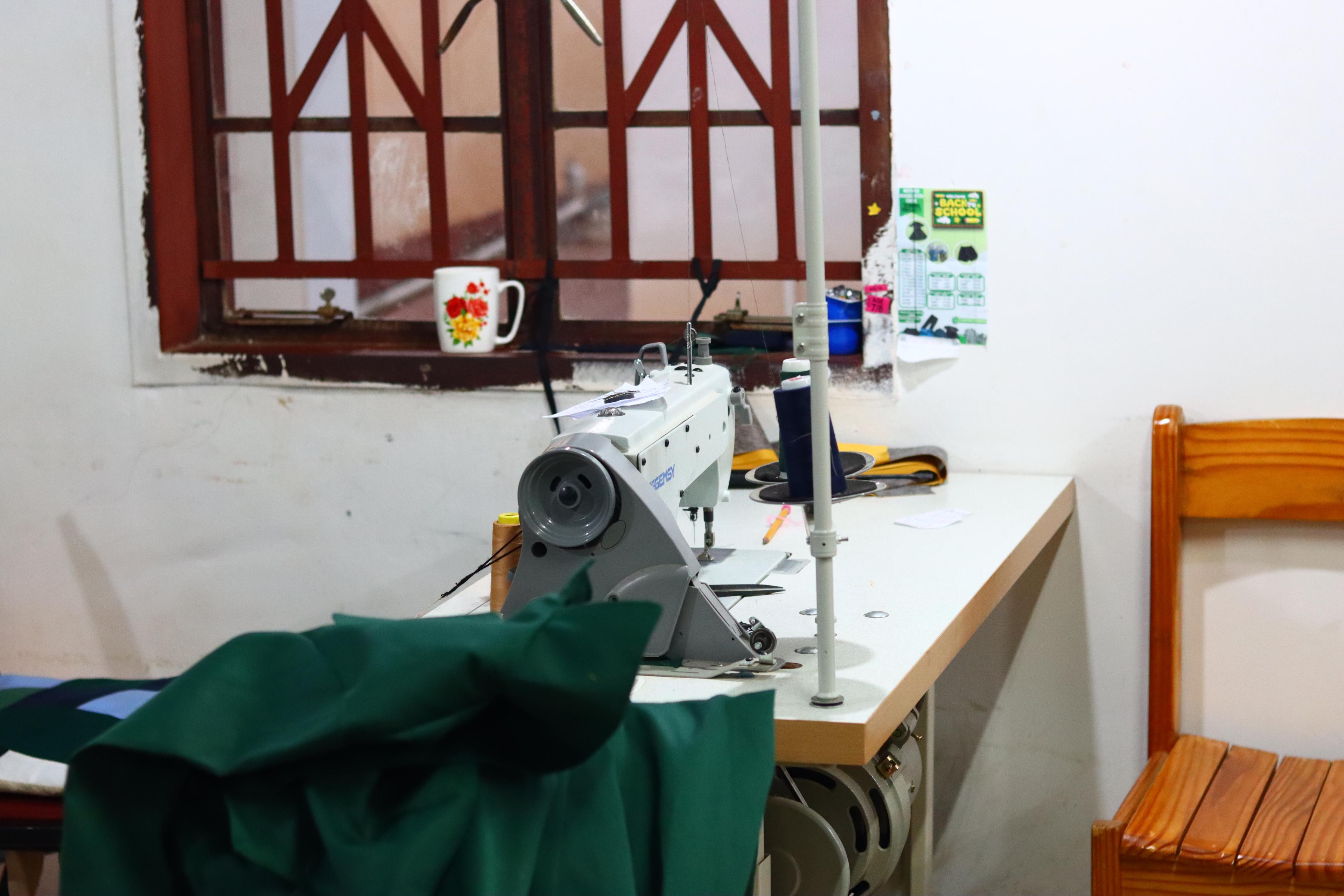
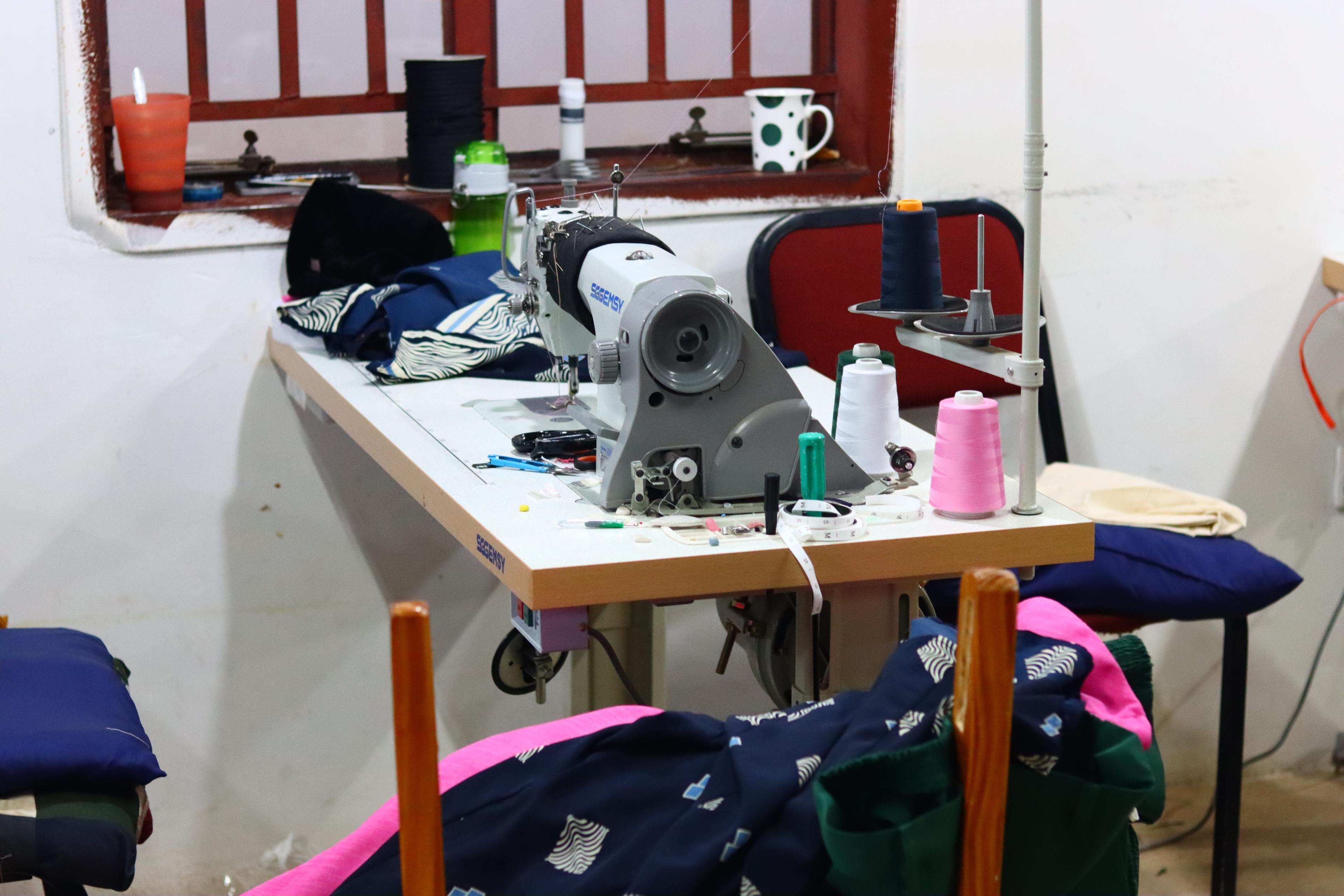
The Skills and Dressmaking Programme at Motswedi Rehabilitation Centre is a full-time, two-year vocational training programme designed to equip persons with disabilities with practical and theoretical skills in garment construction and tailoring.
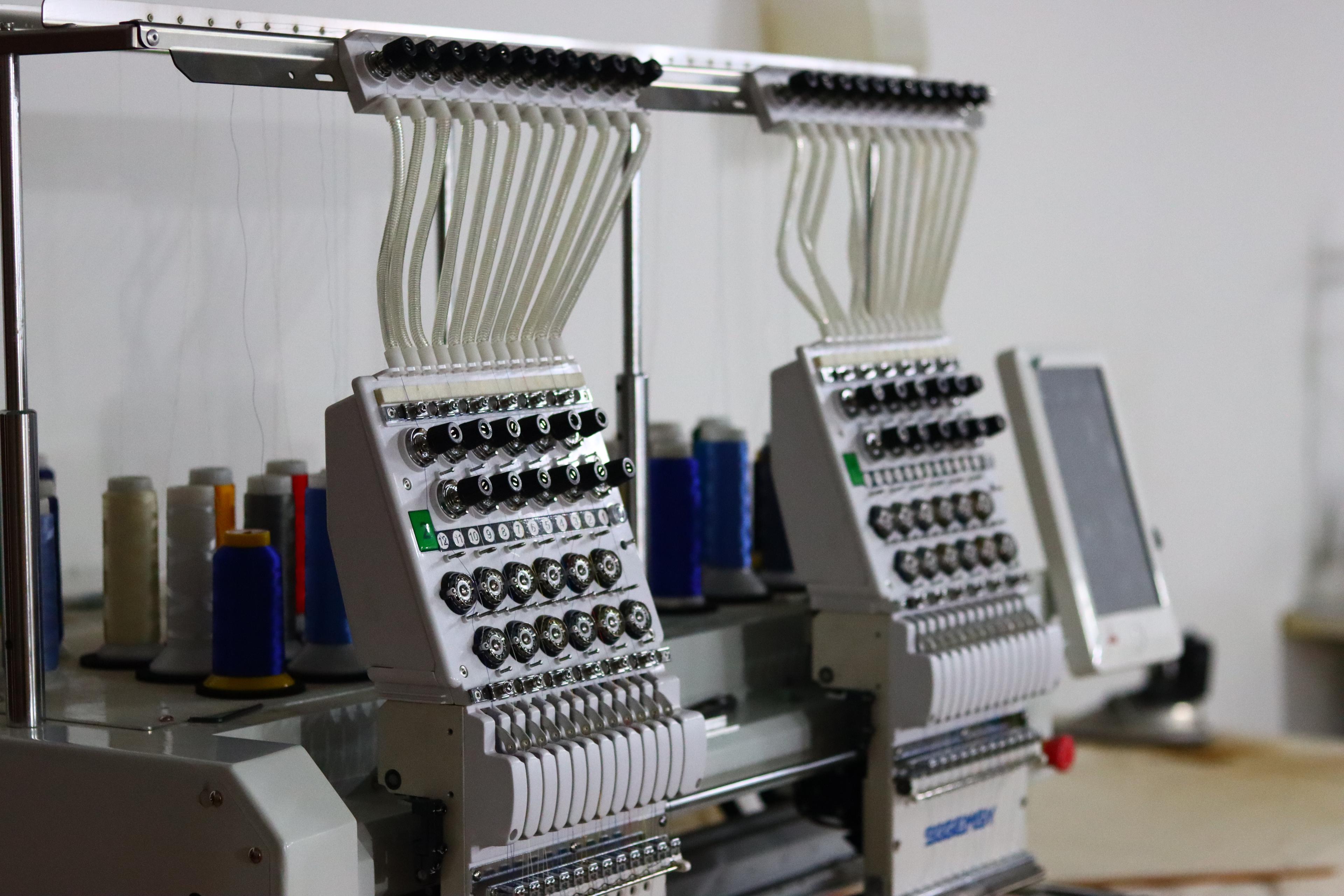
Creative Skills
Building confidence through practical dressmaking and production skills.
Duration
2 Years
Accreditation
Botswana Qualifications Authority, BQA
Training Type
Practical & Theoretical Instruction
About the Programme
Programme Overview
The programme is registered and accredited by the Botswana Qualifications Authority, BQA, ensuring training meets national vocational standards. Learners receive both practical and theoretical instruction that prepares them for meaningful participation in the textile and clothing industry.
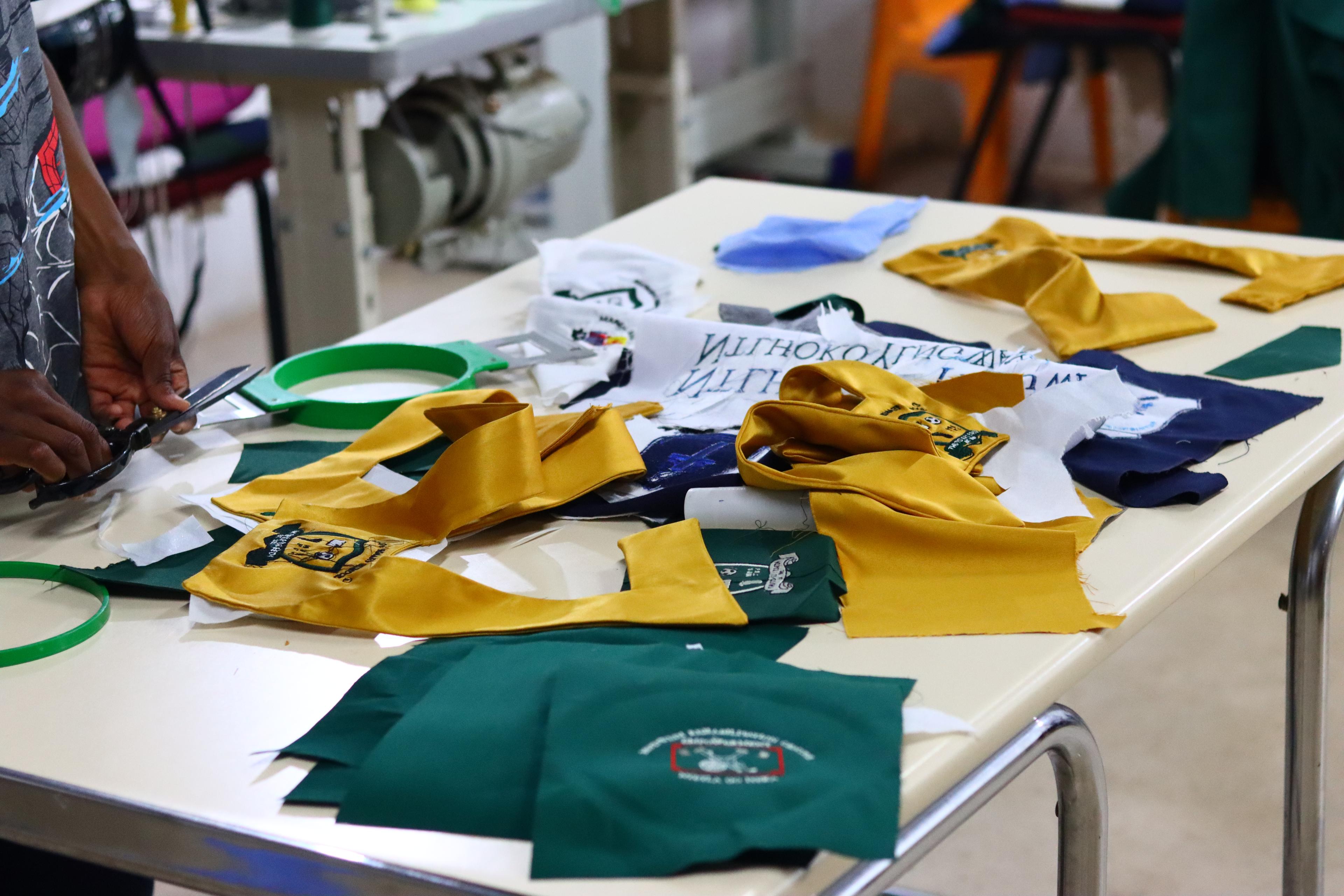
Entry Profile
Target Group
- Trainable youth with moderate intellectual disabilities
- Able to communicate verbally
- Able to understand and follow instructions
- Able to handle tools and materials safely
- Able to remain active and engaged during training
Learning Process
Training & Assessment
- Continuous practical and theoretical training throughout the two-year programme
- Final examinations conducted at the end of the programme
- Assessment carried out by BQA registered and accredited assessors
Workplace Experience
Industrial Attachment
To strengthen workplace readiness, trainees participate in industrial attachment placements for two weeks before final examinations and two weeks after final examinations.
These placements provide real-world experience and build confidence in applying acquired skills within professional work environments.
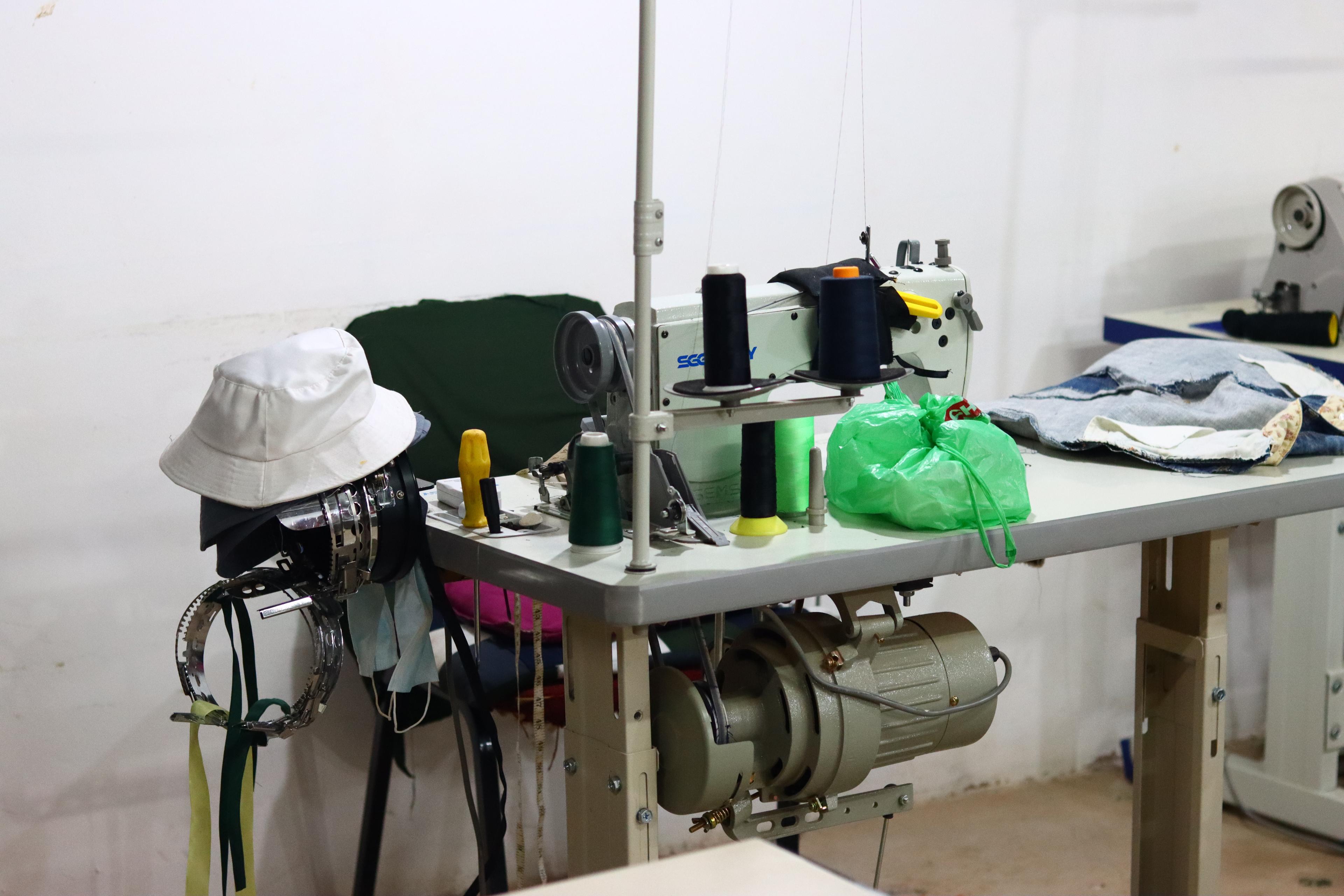
Programme Impact
The programme equips graduates with practical vocational skills that increase employability and support quicker entry into the workforce compared to traditional academic pathways.
Reduced unemployment among persons with disabilities
Increased independence and self-reliance
Income generation opportunities
Entrepreneurship and broader economic participation
Beyond Training
Career Opportunities
Graduates are prepared for diverse career pathways including:
Employment in Dressmaking Businesses
Self Employment
Small Scale Production Ventures