Vocational Training Programme
COOKERY &HOUSEKEEPING
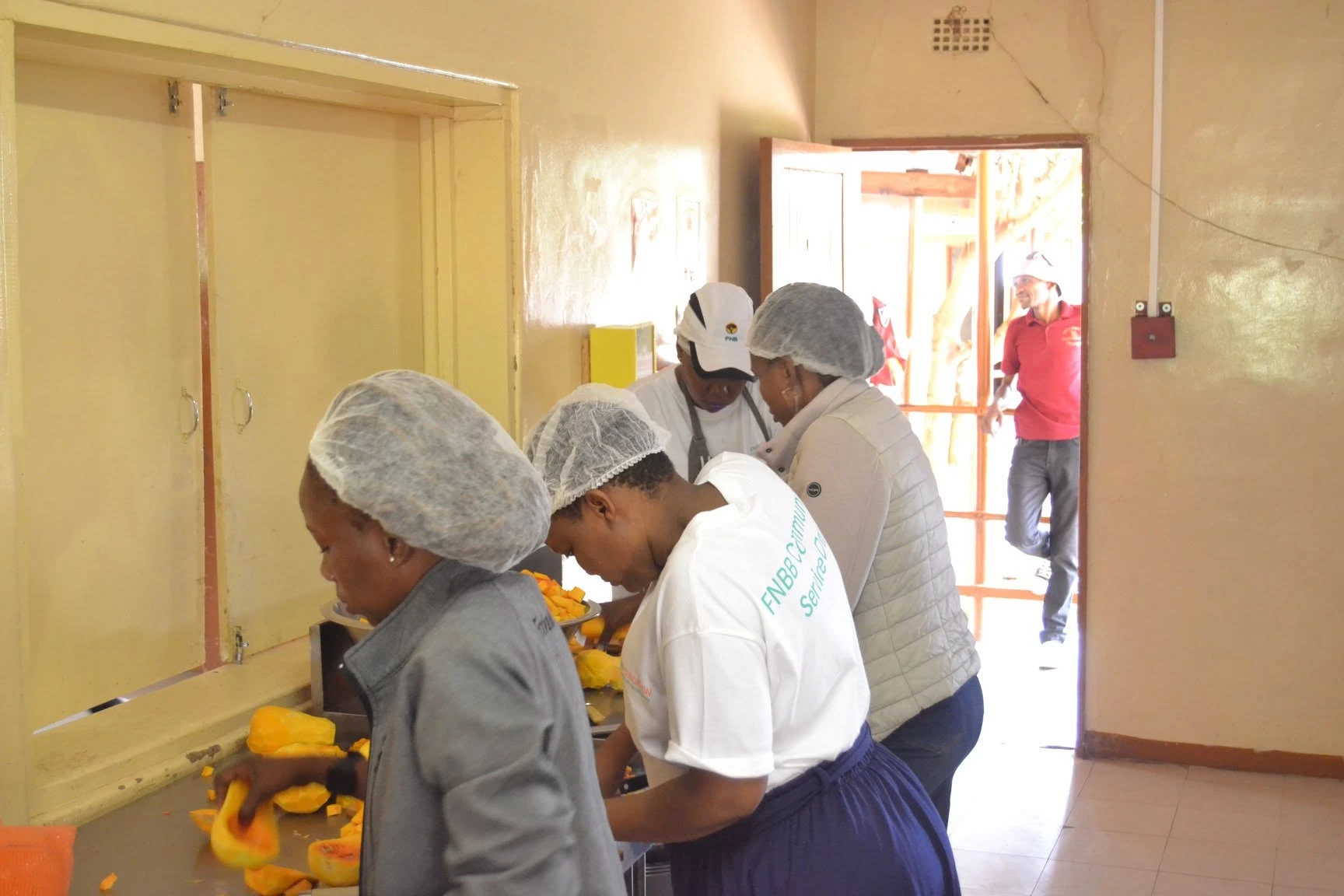
The Cookery & Housekeeping Programme at Motswedi Rehabilitation Centre equips trainees with intellectual and learning disabilities with practical vocational and life skills in food preparation, housekeeping and workplace readiness. The programme promotes independence, confidence and employability through both theoretical learning and hands-on practical training.
Programme Overview
This two-year vocational training programme provides structured learning opportunities that enable trainees to develop practical cookery, housekeeping and workplace skills. Training combines classroom instruction with practical experience to support independence and prepare trainees for future employment opportunities.
The programme is open to both male and female trainees aged 16–36 years and accommodates up to 10 trainees.
Programme Structure
During the first year, trainees are introduced to core cookery and housekeeping competencies through classroom instruction and practical activities. Learning is assessed through oral assessments, theory tests and practical examinations.
Trainees complete six assessments annually, including mid-term tests and end-of-term examinations. To support continuous development, monthly progress reports are conducted for each trainee while term reports are shared with parents and caregivers.
Accreditation & Assessment
The programme is assessed in line with standards established by the Botswana Qualifications Authority, BQA, and offers a Level 1 qualification in Cookery and Housekeeping.
Final examinations are written at Motswedi Rehabilitation Centre. External examiners from institutions such as Molefi Senior Secondary School and Sedibelo Junior Secondary School are engaged to ensure fairness, quality assurance and compliance with assessment standards.
Industrial Attachment
To provide practical workplace exposure, trainees participate in a four-week industrial attachment programme.
- • Two weeks before final examinations
- • Two weeks after final examinations
These attachments allow trainees to apply their skills in real hospitality and housekeeping environments while building confidence, workplace experience and professional readiness.
Impact
Industrial attachment placements have provided trainees with valuable workplace exposure and positive learning experiences. Hospitality establishments have demonstrated interest in the skills and abilities shown by trainees during attachment periods.
Increased independence
Improved employability skills
Workplace experience
Community participation
Challenges & Opportunities
Although hospitality employers have shown interest in employing trainees, economic constraints and limited financial resources within the sector can sometimes affect long-term employment opportunities.
Despite these challenges, the programme continues to prepare trainees with practical skills that support independence, employability and meaningful participation within their communities.
Career Pathways
Catering Services
Hospitality Industry
Self Employment