Vocational Training Programme
CARPENTRY &JOINERY
The Carpentry & Joinery Programme at Motswedi Rehabilitation Centre equips persons with intellectual and learning disabilities with practical vocational skills in carpentry, joinery and production work. Through hands-on training and production-based learning, trainees develop valuable workplace skills that support independence, confidence and future employment opportunities.
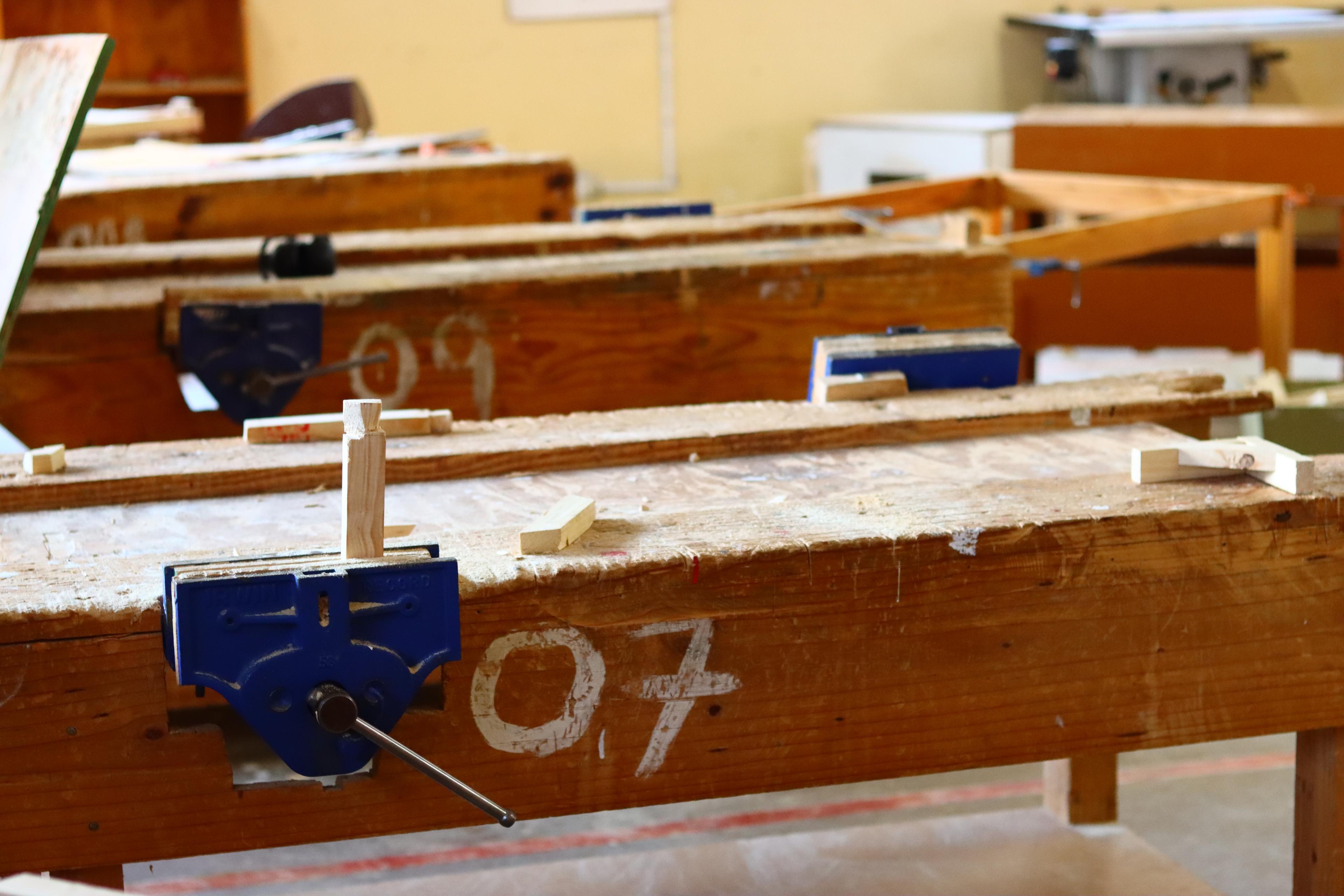
Practical Skills
Learning through real tools, materials and production work.
Programme Overview
This is a structured two-year vocational programme offered at Level 3, combining practical skills development with production-based learning. Trainees are equipped with carpentry and joinery competencies while gaining experience through real production work.
The programme places strong emphasis on practical application, allowing trainees to use their skills in meaningful work settings that simulate real workplace environments.
Products manufactured during training contribute to income generation for the centre, supporting sustainability and continued programme development.
Recognised Training
Accreditation
The programme is officially accredited by the Botswana Qualifications Authority (BQA), ensuring that training meets nationally recognised vocational education standards.
Training Access
Programme Capacity
The programme accommodates up to 20 trainees and is open to both male and female participants between the ages of 18 and 30 years.
Hands-On Experience
Production-Based Learning
A key feature of the programme is production-based learning. Trainees participate in the manufacturing of furniture and other carpentry products, gaining practical workplace experience while strengthening technical competence.
The production component also supports income generation for the centre and contributes to programme sustainability.
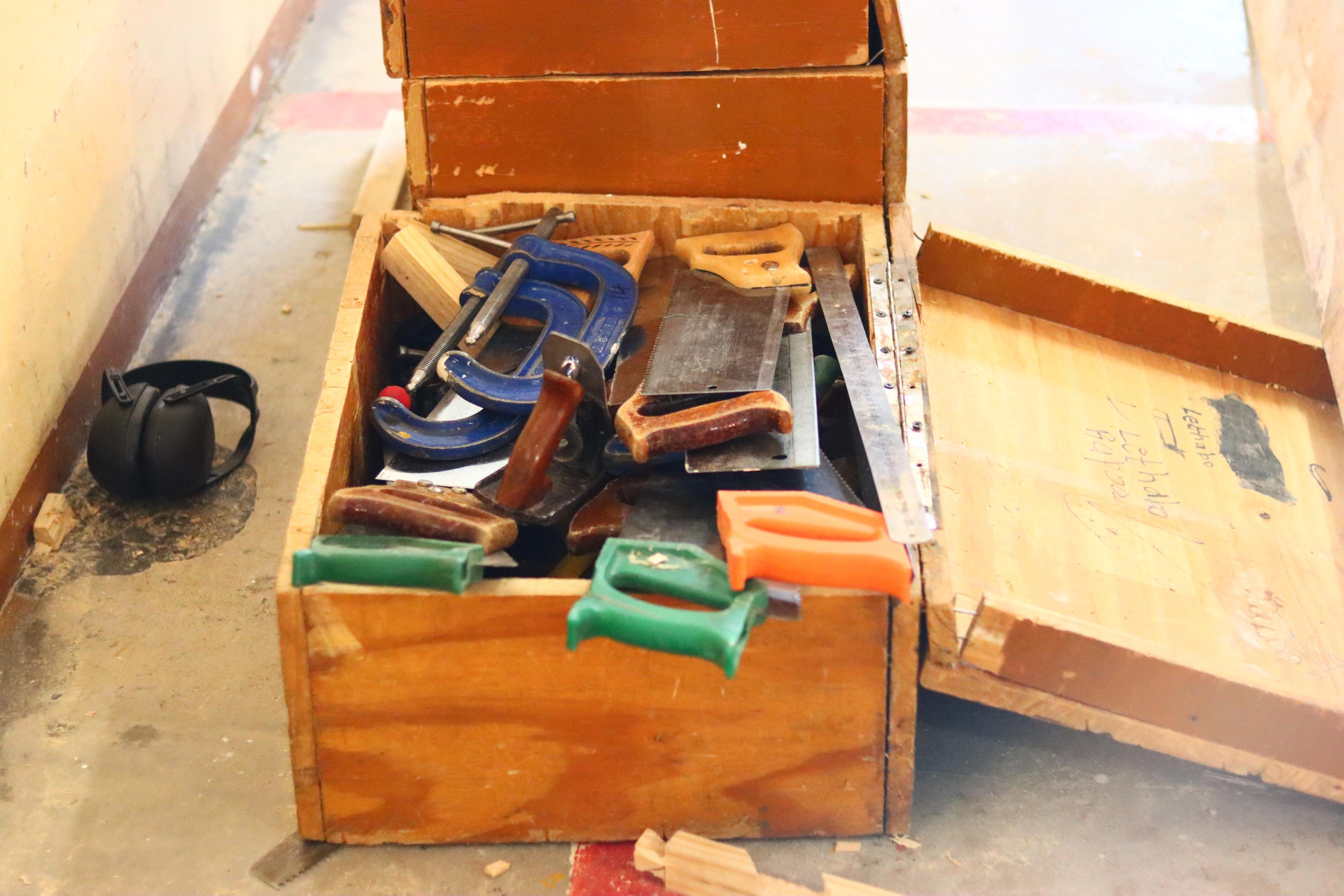
Impact
The programme enables trainees to develop practical skills in carpentry, joinery and production work while promoting independence, confidence and workplace readiness.
Practical vocational skills development
Increased confidence and independence
Workplace readiness and production experience
Income generation supporting sustainability

Moving Forward
Challenges & Opportunities
The programme continues to face challenges including limited industrial attachment opportunities and difficulties in securing formal employment placements for trainees after completion of training.
Industrial Attachments
Limited opportunities for trainees to secure practical industrial attachment placements.
Employment Opportunities
Difficulty securing formal employment opportunities after completing the programme.
Despite these challenges, the programme remains committed to preparing trainees for meaningful participation in vocational and community-based work environments.
Beyond Training
Career Pathways
Furniture Production
Carpentry Services
Self Employment